
Let’s start
We ended up in South Korea completely by chance; it wasn’t part of our trip plans. But since Martín had to go there for work, we took the opportunity.
From the very first moment, we fell in love with Seoul, and honestly, it’s still one of our favorite cities in the world. We even said we could totally see ourselves living there for a few years. We were completely fascinated by the South Korean culture, so different from ours, yet so welcoming and fascinating.
In this post, we’ll share some must-have tools to make the most of your experience, along with a few off-the-beaten-path spots to help you really soak in the local vibe.
Before you go
- Vaccines: No special vaccinations are required, just the standard ones.
- Visa: EU citizens do not need a visa for tourist or short-term business visits lasting up to 90 days. Before arriving, though, you have to apply for the Korean Electronic Travel Authorization (K-ETA), which costs around €5. Rules and fees can change, so always check the official K-ETA website for the latest information before you travel.
- When to visit: The best time to visit South Korea is in the spring or autumn. Summer can get very hot and humid, while winter is rather freezing. We went in April, and the weather was absolutely perfect. We even got lucky and caught the cherry blossoms in bloom! (Not as epic as Japan’s, but still very pretty.)
TL;DR
- South Korea is still one of our favorite countries that we have ever visited. Its mix of traditional culture and crazy modernity is so beautiful.
- Download the apps Papago and Kakao Maps: you will definitely need them.
- Public transportation is extremely reliable and efficient.
- Don’t forget to add Hahoe to your travel itinerary!
- Street food is very iconic in South Korea, so make sure to try everything you find, but avoid getting ripped off in highly touristy markets.
- The “cozy café” culture is crazy here. Even though many of them are very touristy, they deserve the hype. Visit as many as you can (they typically have very high coffee and bakery quality).
Efficiency tips
Transportation from the airport
The airport is seamlessly connected to the city center via a fast train, AREX, at a cost of around €7.
Money
Always use your Wise or Revolut card for the best exchange rate.
You will need cash only to buy and recharge the T-money card, but don’t worry, there are always currency exchanges right next to it.
SIM card
We used a local package from LG U+. You can choose a package based on how many days you will stay there, at a fair price (we spent €25 for one month, but there was an ongoing offer, so make sure to check out what the best price is at the moment of your visit).
You can get the SIM card at the airport, and it will also work as a T-money card, so you won’t have to purchase one (they even gift you something like €2/3 to use for transportation).
Public transport
Getting around in Korea is super easy and efficient, at least in big cities like Seoul and Busan. You can pay for tickets with cash, but the best move is to get a T-money card; you can just tap it on trains and buses, and you’re good to go (Apple Pay doesn’t work).
You can buy and recharge the T-money only with cash, so always have some on you!
The best way to move between cities is by train. Since they can get very busy, we suggest buying the tickets in advance through Korail.
Taxi and Uber
If you don’t want to use public transport (it can be tricky to orient, but we will give you some useful tools in the next paragraphs), we strongly suggest using Uber over normal taxis. It’s for sure more expensive, but anyway affordable.
The advantage of Uber is that you will know the price before, and also you won’t have to communicate the destination to the driver (which can be really tricky since they often don’t speak English).
Fundamental apps
South Korea, like many Asian countries, feels like a whole different world to those who come from the West. Fortunately, there are a few apps that will make it easy for you during your trip:
- Papago: This instant translation app is a must. Hardly anyone speaks English, not even in hotels, restaurants, or at tourist attractions, so Papago will be your best friend.
- Kakao Maps: Google Maps barely works in South Korea, so we highly recommend using this app to get around and figure out public transport options. There’s also Naver Map, but we personally found Kakao more intuitive.
Authentic experiences
- Try all the street food in markets, but avoid the tourist traps!
- Go to a noraebang room for a K-pop night out
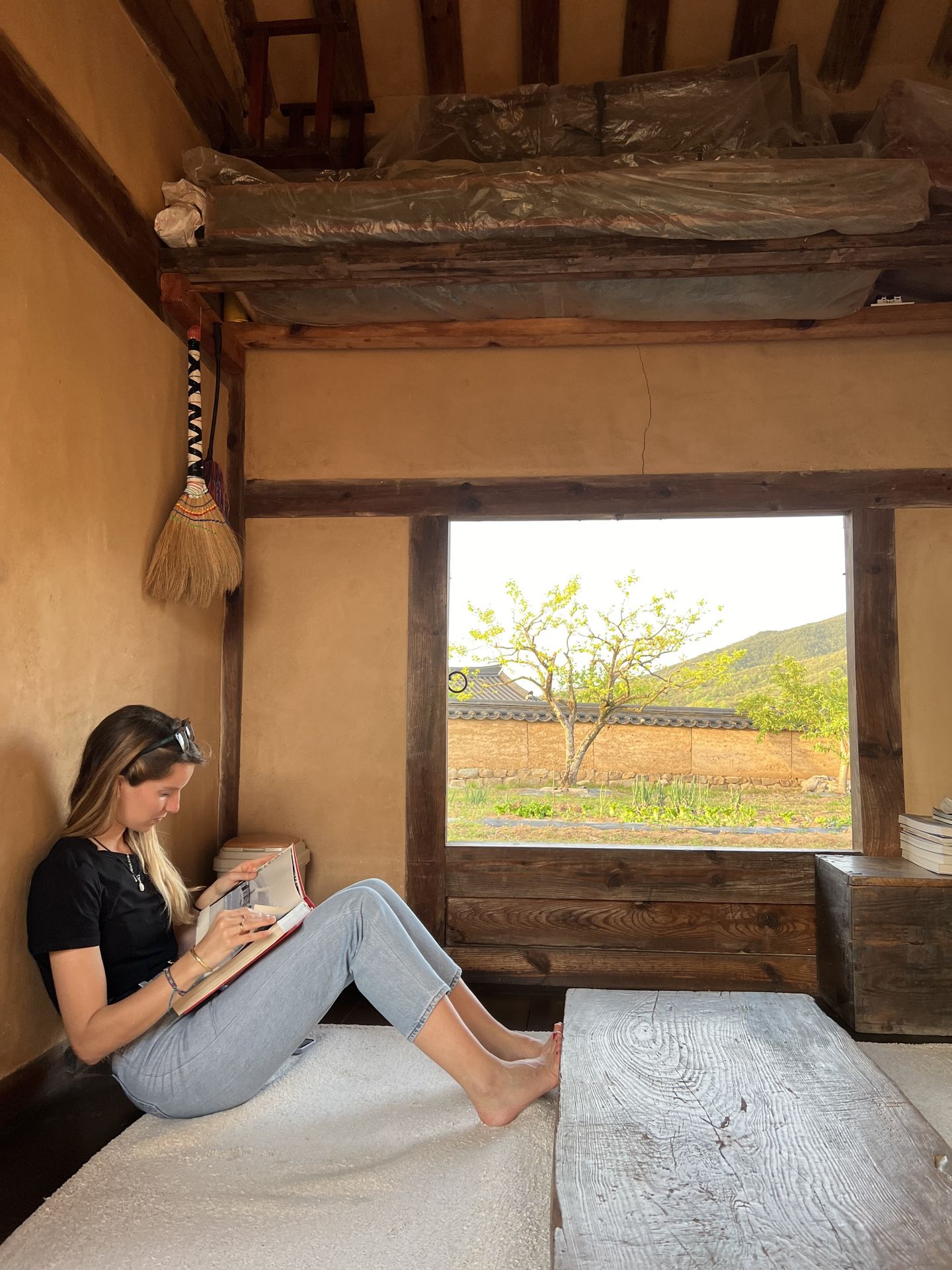
- Sleep in a hanok (traditional house)
- Explore a tea house or themed café (and go to all the cafés in general, they are very cozy and probably the best ones you’ll see in your life!)
- Do some beauty shopping and try a facial treatment (or, for a cheap version, buy a DIY skin care kit to use at home)
- Go to the disco in Hongdae to experience the real Korean nightlife
- Take funny pictures in the massive photo booths (pick your accessories wisely, they have infinite collections to choose from!)
Itinerary
South Korea is such a beautiful country that we think between 2 and 3 weeks are necessary to visit it properly. Unfortunately, we only had 10 days, so we tried to make the most out of it. Our itinerary was as follows:
- 4 days in Seoul
- 2 days in Busan
- 1 day in Gyeongju
- 2 days in Andong/Hahoe
Seoul
DAY 1
On our first day, we explored some of the city’s most famous neighborhoods, including the shopping district of Insadong and the stunning streets of Myeongdong.
Insadong quickly became one of our favorite areas in all of Seoul. The cafés and little shops are absolutely stunning, and the traditional vibe tucked between the city’s skyscrapers feels surreal. Then we passed by Ssamziegil handicraft shopping complex, the perfect place for souvenirs, and where we also had a portrait done by a local painter.
Myeongdong, on the other hand, is much more touristy and less charming, but it’s the perfect place if you’re in the mood for some serious shopping.
In the evening, we had dinner at Mangwon Market, then headed over to Hongdae, a student-filled neighborhood that’s ideal for a fun night out. This is the place to go if you’re looking for some noraebang (karaoke) or a night out at a dance club!
DAY 2
We started the day with breakfast in Insadong again. It was close to our hotel, and honestly, the cafés in that area are just too pretty to resist.
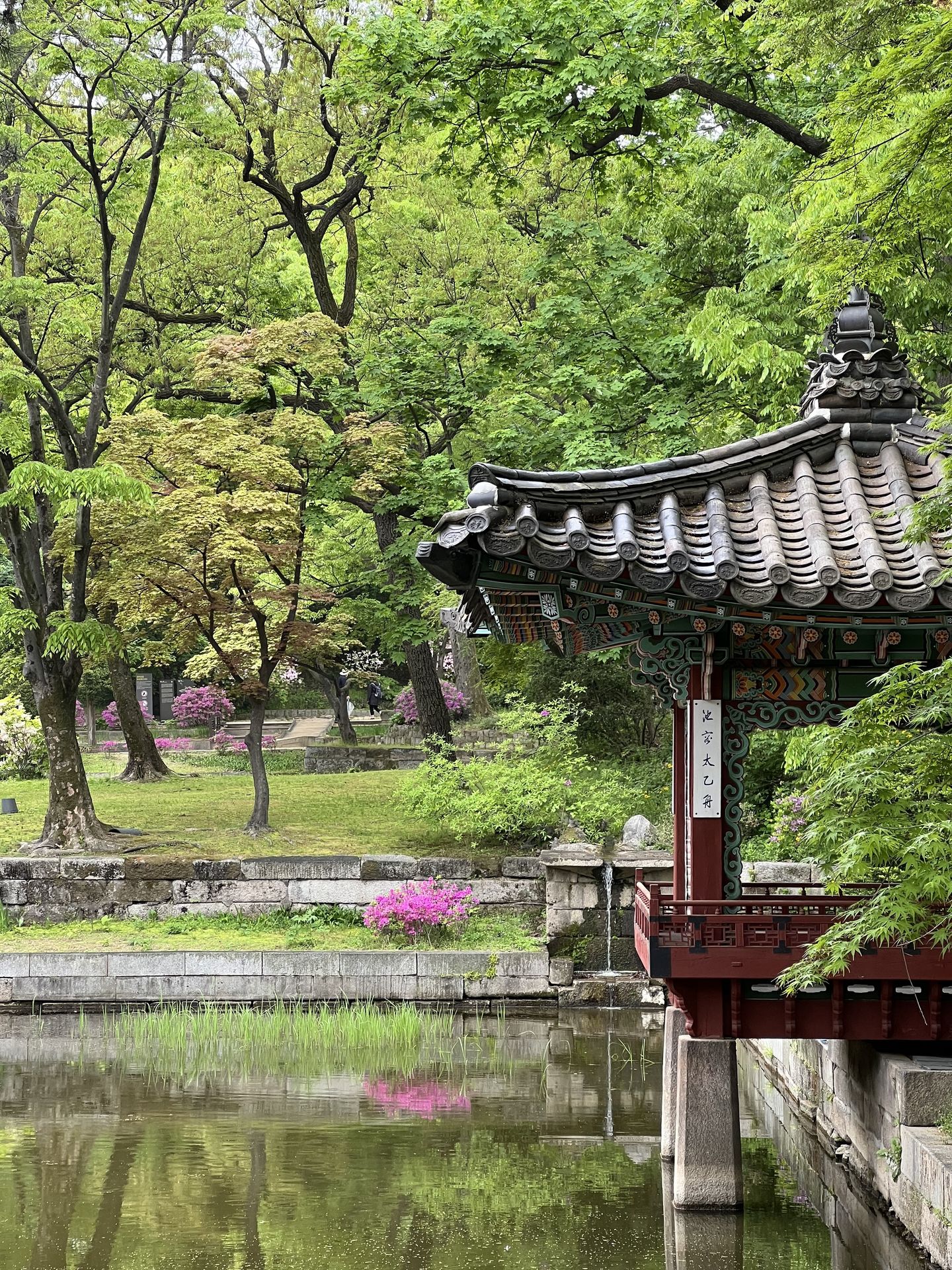
Then we spent the whole day exploring the royal palaces: Jongmyo Shrine, Changgyeonggung Palace, Changdeokgung Palace, Gyeongbokgung Palace, and the Secret Garden (which was by far our favorite part!).
Even though this area is pretty touristy, it’s totally worth it; it’s super charming and full of history.
You can find all the info and ticket prices here.
Also nearby is the Jogyesa Temple, which is really lovely, and the whole neighborhood around it is worth a visit.
In the afternoon, we checked out the famous Starfield COEX Library, cool to see, but a little overhyped.
We ended the day at Namseong Sagye Market, a very local, low-key spot for dinner (check out the “Food” section for more info!).
DAY 3
In the morning, we visited the traditional neighborhood of Bukchon Hanok Village. Yes, it’s super touristy… but 100% worth it. The vibe is very unique, the hanok houses are beautiful, and it’s the perfect spot to take some great photos.
In the afternoon, we went on a long walk, getting lost across the city, with Ihwa Mural Village as our final destination. The view from up there is amazing!
On the way down, we stopped by the Dongmyo Flea Market: super local, full of character, and a great place to hunt for random things.
DAY 4
In the morning, we explored Hapjeong, especially the cute little Indie Street (Wausan-ro 3-gil), full of stylish cafés and local design shops.
Then we headed over to Yeoui-dong, a chill area by the river, perfect for a relaxed walk in the beautiful Yeouido Park Natural Eco Forest. In the afternoon, we did some shopping around Hongdae, the already mentioned neighborhood.
At night, we ended the day with a peaceful walk and a takeaway dinner along the Cheonggyecheon stream, a really nice spot with the city lights all around.
Busan
DAY 1
In the morning, we took the super-fast and comfy KTX train to Busan. The ride took about 3 hours and was super smooth.
As soon as we arrived, we headed to the Jagalchi Market, a market specializing in fish. Indeed, a very nice local experience!
Then we made our way to the famous Gamcheon Culture Village with all the colorful houses. Yes, it’s very touristy and definitely set up for visitors, but still a fun and unique spot to explore.
In the afternoon, we wandered around Seomyeon, a lively downtown neighborhood really close to the cute Jeonpo Cafe Street.
In the evening, we explored more of the city center, especially around BIFF Square: full of lights, food, and local vibes.
DAY 2
On our second day in Busan, we ventured a bit outside the city. We took a local bus (found on Kakao Maps) that took about 1 hour and 20 minutes to get to Yonggungsa Temple.
This was honestly one of the highlights of our whole trip. The temple is absolutely stunning, right by the ocean, and feels super peaceful and unique. One of the most beautiful spots we’ve ever seen.
The surrounding area of Haeundae and the seaside walk are also really cute and worth it.
While we were there, we also decided to hop on the Haeundae Sky Capsule (€25 for two people). It’s totally a tourist trap, but it’s very Korean-style and kind of fun if you’re in the mood for something different.
Gyeongju
We got to Gyeongju with a super quick and efficient 1-hour KTX train ride.
We only stayed for a day and a half, but honestly, that was more than enough. The city is really cute and full of character, definitely worth a stop, but it’s also pretty small, so you can easily explore it in a short time.
The must-visit spots are the Daereungwon Tumuli Park, the Bomunjeong Pavilion, the Gyochon Hanok Village, and the Hwangnidan Street. They are all very close, and you can do a long walk visiting them all together.
In the evening, we went to Donggung Palace (there’s a small entrance fee). To be honest, it’s way more beautiful at night. The whole place is lit up, and it looks magical, so we totally recommend going when it gets dark!
Andong / Hahoe
To get to Andong, you can take a 1.5-hour train, and from the station, there’s a local bus that takes you straight to the village.
Hahoe Folk Village is honestly one of the most unique places we’ve visited. It feels like stepping back in time and experiencing how people used to live in traditional Korea. The atmosphere is peaceful, authentic, and so different from anything we’re used to. Even though it has become a bit touristy, it still keeps its authentic charm. Make sure not to skip the Hahoe byeolsingut talnori: a traditional masked dance-drama that dates back centuries and mixes theatre, dance, music, and ritual. Hahoe is the birthplace of the tradition, so make sure to check it out!
We highly recommend staying in this Airbnb. It was hands down one of the most unforgettable experiences we had in Korea. We still can’t believe we got to stay there, even if just for a night. Such a unique experience, and the owners were lovely!
Food
First of all, you have to know that local people don’t usually use Google Maps, but rather Kakao Maps. As a consequence, you may see that many places have very few reviews on Google Maps, or some of them are not even listed on the app. This is just a reminder for you not to follow Google Maps reviews so much while being in South Korea, since they are not representative of quality.
Before talking about local dishes, as we always do, South Korea deserves a special mention for its beautiful cafés, which you can find all over the place. Wherever you are, you will probably be surrounded by incredible cozy spots that look so nice that you will want to try them all. These cafés are perfect for breakfast, sweets, snacks, or even just a coffee. The quality tends to be superb in any of them, but here is a list of those that we tried and can guarantee will make you fall in love.
- Thanks, Oat (Seoul): Very good spot for breakfast, mainly for their bowls (both savory and sweet).
- Rami Scone Cafe (Seoul): This place is stuck in our minds forever thanks to their fruit infusions. They are, without any doubt, the best infusion drinks we had in our lives (special recommendation for the lemon and raspberry ones!).
- Cafe Onion (Seoul): Definitely a spot created for tourists to post on Instagram, but it’s very aesthetic, and the food is good, too.
- Soha Salt Pond (Seoul): A very uniquely decorated café, and kind of viral for their salt bread. As always, good bakery items.
- 보노베리 (Bono Berry) (Busan): This place had a particular item that didn’t seem as common to find around, a matcha cookie that actually tasted like matcha. Definitely not for everyone, but a must-try if you’re a matcha person!
- Grain (Seoul): Quite on the expensive side, but it had an amazing and vast list of Western-like dishes in case you need a break from trying local street food!
- Fritz Coffee Company (Seoul): Probably the place in this list that is the most attended by actual locals. Their coffee is excellent, and their bakery items are delicious. Definitely not a cozy spot like the others to hang out, but our top choice quality-wise.
- Cafe Layered (Seoul): Insanely good cakes. Very solid option for a sweet treat, or a powerful breakfast to start the morning full of energy!
As in many Asian countries, street food is incredible in South Korea. There is a crazy amount of street markets you can go to. Here is our selection to see the most variety while keeping the to-do list short (all of them in Seoul and surroundings).
- The Gwangjang Market is the most famous one. You can find a massive amount of options here, but it has become so touristy that the prices are quite high, and it’s as busy as it gets. In particular, it became very famous for its “Netflix stall”. Probably your best choice if you care about posting on Instagram, but not for an authentic, local experience.
- For a more authentic and local experience, we really liked Namseong Sagye Market. It’s not as popular among tourists, and you can see a lot of locals doing their daily shopping here. Much cheaper than Gwangjang, you can find incredible street food snacks here. Hunt for eomuk, tteokbokki, and Korean corn dogs!
- For an open-air, more generic market (not just food-oriented), Dongmyo Flea Market is where to go. You can find whatever you want here; it’s filled with second-hand and vintage goods. It also has a lot of street snack carts, and we actually had the best bungeoppang here!
Local food:
- Korean BBQ is not just food, it’s a whole experience. You’ll find thousands of them. We don’t have a specific one to recommend, although we did go to DottyDeaga(KoreanBBQ) (Seoul), and it was very good. In any case, as long as you have bulgogi and kimchi, you’ll be fine.
- Tteokbokki is typically street food, but in Gossi Tteokbokki (Seoul), you will find a very local spot where you can get it in a restaurant fashion. The place was packed with locals, and the food was absolutely delicious. Super recommended!
- LABAB ISU (Seoul): A very good quality-to-price ratio and lots of different meals to try. A very solid choice if you’re exploring Seoul and craving some tasty Korean favorites in a budget-friendly setting.
- Woojung Dolsot Bibimbap (Busan): You can’t visit South Korea without having a good bibimbap, and this is our choice to recommend where to try it. Fair prices, generous portions, and delicious food.
Extremely local spots:
- Migadam (Seoul): Don’t even try speaking English; it will be useless. But language does not matter much when, regardless of what you eat, you’ll receive an incredibly homemade Korean dish! We ate a lot for very little money, and everything was delicious. It was very spicy, though, so you may want to ask them not to add too much spice (if you do hand gestures, you can probably get the message across!).
- 순돌이보리밥 (Busan): The pure taste of homemade food. The ladies working there were among the sweetest people we’ve encountered during our trip. We have no idea what we ordered (the language barrier here was quite intense), but it was a lot of food and for an incredibly low price. They even gifted us some dessert when we left because they wanted us to try something new (or at least that’s what we understood)! Definitely an authentic experience.
Desserts:
- Yangji Dabang (Gyeongju): We came here to try the popular soufflé pancake, which, despite being Japanese, is very popular here as well. It’s definitely worth trying!
- Sulbing (Seoul): A famous chain specializing in bingsu. They have many options to choose from, and they’re indeed a must-try while you’re in Korea. The portion seems huge, but it’s shaved ice in the end, so it’s okay to share it between two people.
- Seoul Hotteok (Seoul): This shop serves one of the most beloved street snacks: the hotteok. It’s probably the most important dessert to try while visiting this amazing country, and this shop really nails it!
Some other random stuff:
- Yakgwa. Traditional Korean honey cookies, deep-fried in syrup. Yes, they are not the most healthy thing to eat… But they are so good! However, watch out where you eat them. The ones we bought at a supermarket were not good at all. On the other hand, when we ate them at local bakeries or cafés, they were absolutely delicious.
- The Honey Butter Almonds (허니버터 아몬드) and all their different versions. They’re basically roasted almonds covered in some seasoning. They are extremely addictive, and there is a crazy amount of different flavors to choose from.
- The Banana Kick (바나나킥) crisps. It may sound weird, but these corn crisps with a sweet banana flavor really surprised us. We thought the combination would be strange, and we just bought them for fun… but we ended up loving them!